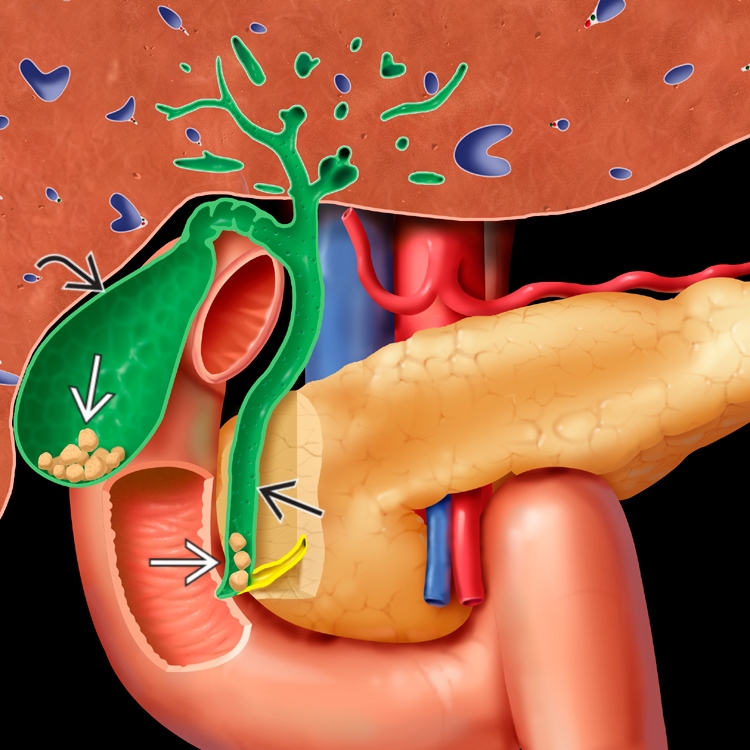
CBD Stone Disease
CBD stone disease, also known as common bile duct stones or choledocholithiasis, is a condition where gallstones move from the gallbladder into the common bile duct (CBD). The bile duct is responsible for carrying bile, a digestive fluid, from the liver and gallbladder to the small intestine. When stones block this passage, they can cause pain, infection, and serious complications such as pancreatitis or liver damage. This article explores the causes, symptoms, risk factors, diagnosis, and treatment of CBD stone disease, along with preventive measures and lifestyle tips.
Causes of CBD Stones
- Gallstones in the gallbladder – the most common cause.
- Sluggish bile flow – leading to stone formation.
- Previous gallbladder surgery – stones can form even after gallbladder removal.
- Infections of the bile duct – which can promote stone formation.
- Inherited conditions – certain genetic disorders may increase risk.
Risk Factors
- Age over 40
- Female gender – hormonal changes influence bile composition
- Obesity and high-fat diet
- Family history of gallstones
- Pregnancy
- Rapid weight loss
- Underlying liver or bile duct diseases
Symptoms of CBD Stone Disease
- Severe abdominal pain (especially in the upper right side)
- Jaundice – yellowing of the skin and eyes
- Dark urine and pale stools
- Nausea and vomiting
- Fever and chills – often a sign of infection (cholangitis)
- Indigestion and bloating
If left untreated, CBD stones can lead to life-threatening complications like acute pancreatitis or sepsis.
Complications of CBD Stone Disease
- Cholangitis – infection of the bile duct.
- Pancreatitis – inflammation of the pancreas due to bile duct blockage.
- Liver damage – prolonged obstruction can injure liver tissue.
- Sepsis – widespread infection that can be fatal if untreated.
Diagnosis of CBD Stones
- Blood tests – check for liver function, infection, and inflammation.
- Ultrasound – first-line imaging to detect stones and bile duct dilation.
- MRCP (Magnetic Resonance Cholangiopancreatography) – detailed imaging of bile ducts.
- Endoscopic Ultrasound (EUS) – highly accurate for detecting small stones.
- ERCP (Endoscopic Retrograde Cholangiopancreatography) – used for both diagnosis and treatment by removing stones.
Treatment of CBD Stone Disease
The main goal of treatment is to remove the stones and restore normal bile flow. Treatment options include:
- Endoscopic Retrograde Cholangiopancreatography (ERCP)
- The most common and effective treatment.
- Involves passing an endoscope into the bile duct to remove stones.
- Surgery
- Sometimes performed if ERCP is unsuccessful.
- May include bile duct exploration or gallbladder removal (cholecystectomy).
- Medications
- Rarely effective for dissolving stones but may be used in select cases.
- Supportive care
- IV fluids, antibiotics (if infection is present), and pain relief.
Lifestyle and Dietary Recommendations
- Eat a balanced, low-fat diet rich in fruits, vegetables, and whole grains.
- Avoid rapid weight loss or crash diets.
- Maintain a healthy weight.
- Stay hydrated with plenty of water.
- Exercise regularly.
Prevention of CBD Stone Disease
- Maintaining a healthy diet and weight.
- Avoiding high-cholesterol, greasy foods.
- Managing conditions like diabetes and obesity.
- Considering gallbladder removal if recurrent stones occur.
- Attending regular medical checkups if you are at high risk.
Living with CBD Stone Disease
Patients diagnosed with CBD stone disease should follow medical advice closely. After treatment, adopting healthier eating habits and avoiding fatty foods can help prevent recurrence. In cases where the gallbladder has been removed, digestive adjustments may be necessary.