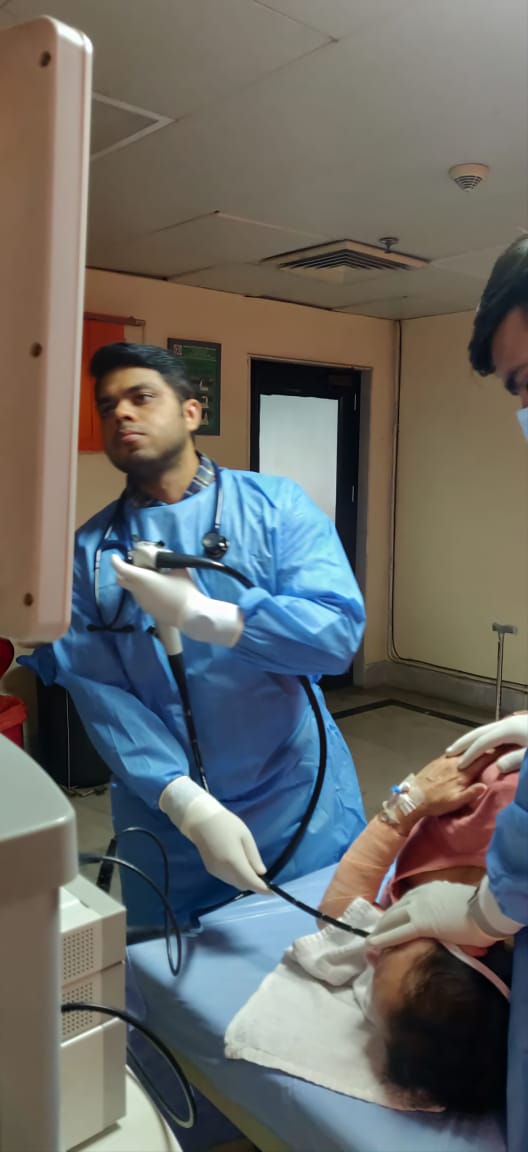
Endoscopy Plus Banding
An endoscopy is a diagnostic procedure that allows doctors to examine the inside of the digestive tract using a flexible tube with a camera. When combined with banding, the procedure becomes therapeutic, meaning it not only identifies problems but also treats esophageal varices directly.
Banding involves placing small elastic bands around enlarged veins in the esophagus. These bands cut off the blood supply, causing the varices to shrink and eventually fall off naturally.
Why is the Procedure Needed?
The primary reason for endoscopy plus banding is the treatment of esophageal varices, which often occur in patients with:
- Liver cirrhosis – scar tissue blocks normal blood flow, increasing pressure in the portal vein.
- Portal hypertension – elevated pressure causes veins in the esophagus to enlarge.
- Risk of bleeding – enlarged varices may rupture, leading to severe and life-threatening bleeding.
Doctors recommend the procedure for:
- Active bleeding varices (emergency treatment)
- Prevention of first bleeding episode in high-risk varices
- Prevention of recurrent bleeding after an initial bleed
Preparation for Endoscopy Plus Banding
Proper preparation ensures a safe and effective procedure:
- Fasting – No food or drink for at least 6–8 hours before the procedure.
- Medication review – Blood thinners or certain medicines may need to be adjusted.
- Medical history disclosure – Inform the doctor about allergies, heart disease, or previous surgeries.
- Consent and counseling – Patients are informed about the procedure, benefits, and risks.
- Hospital readiness – Since variceal bleeding can be life-threatening, patients are usually monitored in a hospital setting.
How the Procedure is Performed
The process usually takes 15–30 minutes:
- Sedation – The patient receives sedation through an IV for comfort and relaxation.
- Endoscopic examination – A flexible endoscope is inserted through the mouth into the esophagus, stomach, and duodenum.
- Identifying varices – The gastroenterologist locates swollen veins.
- Band ligation – Using a special device attached to the endoscope, small rubber bands are placed around the varices.
- Result – The bands block blood flow, causing the varices to shrink and eventually disappear.
Conditions Treated by Endoscopy Plus Banding
- Esophageal varices – most common use.
- Bleeding prevention – especially in patients with high-risk varices.
- Recurrent bleeding control – for patients who have already experienced variceal bleeding.
- Occasionally, for gastric varices with modified techniques.
Benefits of Endoscopy Plus Banding
- Immediate control of bleeding in emergency situations
- Minimally invasive with no need for open surgery
- High success rate in preventing re-bleeding
- Quick recovery time compared to older techniques
- Safe and repeatable if multiple sessions are needed
- Helps reduce mortality rates in cirrhotic patients with varices
Risks and Complications
Though generally safe, endoscopy plus banding carries some risks:
- Chest discomfort or mild pain after banding
- Sore throat from endoscope insertion
- Ulcer formation at the banding site
- Temporary difficulty swallowing
- Rare complications such as esophageal perforation, infection, or strictures
With an experienced gastroenterologist, these risks are minimal.
What to Expect After the Procedure
Patients are usually monitored in the hospital for a few hours. Post-procedure expectations include:
- Mild chest discomfort for a day or two
- Soft diet or liquid diet recommended for the first 24–48 hours
- Avoiding alcohol and NSAIDs, which can worsen bleeding risk
- Medications such as proton pump inhibitors (PPIs) to help healing
- Beta-blockers may be prescribed to reduce portal pressure
Recovery and Follow-Up Care
Endoscopy plus banding often requires multiple sessions to completely eliminate varices. Follow-up care is critical:
- Repeat endoscopy – every 2–4 weeks until varices are eradicated.
- Surveillance endoscopy – every 6–12 months to check for recurrence.
- Liver disease management – addressing the root cause of portal hypertension, such as cirrhosis or hepatitis.
- Lifestyle changes – avoiding alcohol, eating a balanced diet, and monitoring liver health.
Alternatives to Endoscopy Plus Banding
In cases where banding is not suitable, alternatives include:
- Endoscopic sclerotherapy – injecting a solution into varices to shrink them.
- Transjugular intrahepatic portosystemic shunt (TIPS) – a radiological procedure to reduce portal vein pressure.
- Medications – such as non-selective beta-blockers.
- Surgery – rare and reserved for specific cases.
Long-Term Outlook
With proper treatment, patients who undergo endoscopy plus banding can achieve a significant reduction in bleeding risk. However, since the underlying cause is often chronic liver disease, continued medical follow-up is essential. Banding is not a cure for cirrhosis but a vital tool to manage complications.