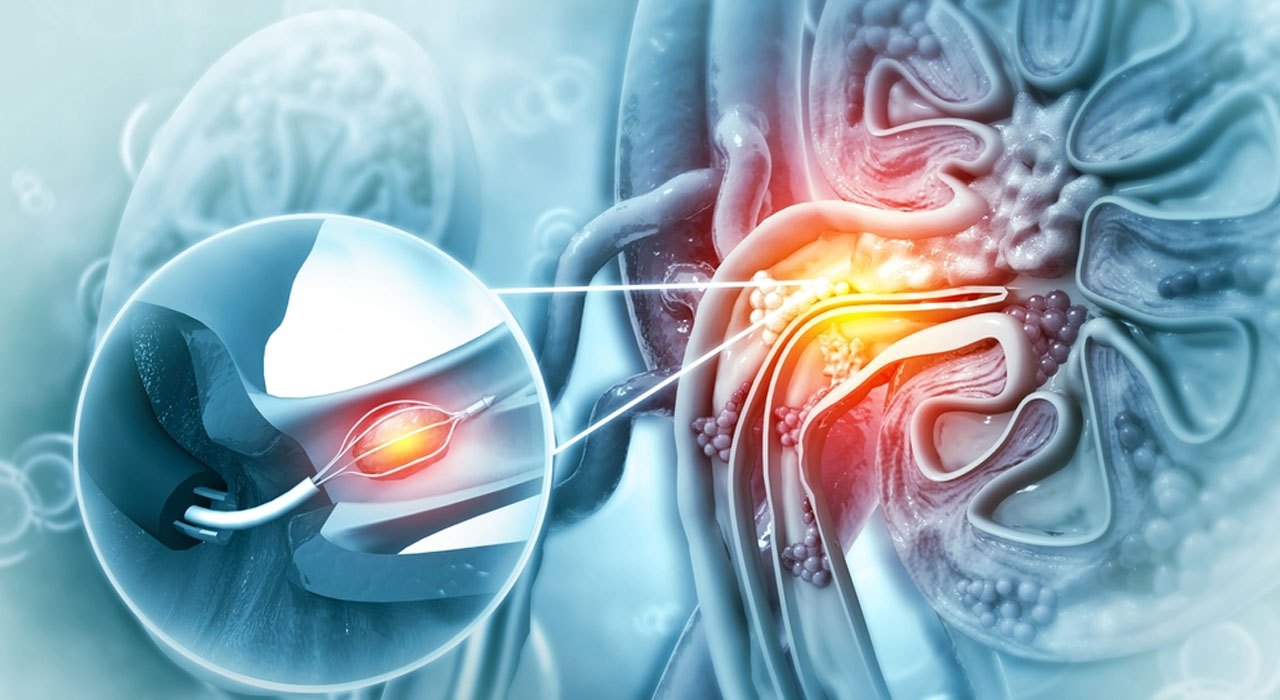
Foreign Body Removal
Foreign body removal is the medical extraction of objects that enter the body accidentally or intentionally. These objects can range from food particles, coins, small toys, bones, batteries, or sharp items to medical devices that have migrated or malfunctioned.
Depending on the object’s size, location, and risk factors, removal may be done using endoscopy, bronchoscopy, surgical methods, or simple manual extraction.
Common Locations of Foreign Bodies
- Digestive Tract (GI Tract) – Coins, fish bones, dentures, or food bolus.
- Airways – Seeds, nuts, small toys, or food particles.
- Nose – Beads, paper, erasers, or seeds (common in children).
- Ears – Insects, beads, cotton, or earplugs.
- Throat – Sharp bones, pins, or food stuck during swallowing.
- Skin and Soft Tissue – Splinters, glass, or metal fragments.
- Eyes – Dust, glass, or metallic particles.
Causes of Foreign Body Incidents
- Children – Accidental ingestion or insertion of objects.
- Elderly – Swallowing difficulties leading to food bolus impaction.
- Occupational hazards – Exposure to dust, metal, or wood particles.
- Accidents and trauma – Penetrating injuries leaving fragments inside.
- Medical causes – Dislodged catheters, migrated stents, or surgical sponges.
Symptoms of a Foreign Body
The symptoms vary depending on the site and type of object but may include:
- In the airway: Coughing, choking, difficulty breathing, wheezing.
- In the esophagus or stomach: Chest pain, difficulty swallowing, vomiting, drooling.
- In the nose: Nasal discharge, foul smell, sneezing, blockage.
- In the ear: Pain, hearing loss, buzzing, or discharge.
- In the eye: Pain, tearing, redness, blurred vision.
- In skin or tissue: Pain, swelling, infection, pus discharge.
Diagnosis of Foreign Body
To confirm the presence and location of a foreign body, doctors may use:
- Physical examination – Direct inspection with lights or scopes.
- X-rays – Useful for metallic or radiopaque objects.
- CT or MRI scans – For deep-seated or complex cases.
- Endoscopy or bronchoscopy – Direct visualization inside the GI tract or airways.
Methods of Foreign Body Removal
The method depends on the site and nature of the object:
- Endoscopic Removal – A flexible scope with tools is used to extract foreign bodies from the esophagus, stomach, or intestines.
- Bronchoscopic Removal – Objects in the airway are removed using a bronchoscope.
- Manual Removal – Tweezers, forceps, or suction are used for ear, nose, or throat objects.
- Surgical Removal – Required for deeply embedded or complicated cases.
- Flushing or Irrigation – For eyes, nose, or ears, using saline or sterile solutions.
- Magnets – Occasionally used for metallic foreign bodies.
Risks and Complications
If not removed timely, foreign bodies can cause:
- Obstruction of airways or intestines
- Perforation of organs such as the esophagus or bowel
- Infections in ear, nose, throat, or skin
- Bleeding and tissue injury
- Aspiration pneumonia if swallowed objects enter the lungs
- Vision loss if eye injuries are untreated
Recovery After Foreign Body Removal
Recovery depends on the site and complexity:
- Observation – Patients are monitored for complications after removal.
- Pain management – Mild painkillers may be prescribed.
- Antibiotics – Given if infection risk is high.
- Dietary restrictions – In GI tract cases, soft diet is advised temporarily.
- Follow-up – Repeat endoscopy, ENT check, or X-ray may be scheduled to ensure complete clearance.
Preventive Measures
- Keep small objects out of reach of children.
- Avoid giving nuts, seeds, or small toys to toddlers.
- Wear protective eyewear and masks in workplaces with dust or metal exposure.
- Chew food thoroughly and eat slowly to prevent food bolus impaction.
- Educate elderly patients with swallowing difficulties on safe eating habits.
When to Seek Emergency Care
- A child suddenly starts choking or coughing persistently.
- Difficulty breathing or swallowing occurs.
- Sharp objects, batteries, or magnets are swallowed.
- Persistent ear, nose, or eye pain after suspected foreign body entry.
- Severe abdominal or chest pain develops after swallowing an object.