Book An Appointment

Sigmoidoscopy in Dwarka,Delhi

Sigmoidoscopy

Home - Sigmoidoscopy

Sigmoidoscopy in Dwarka,Delhi

Sigmoidoscopy

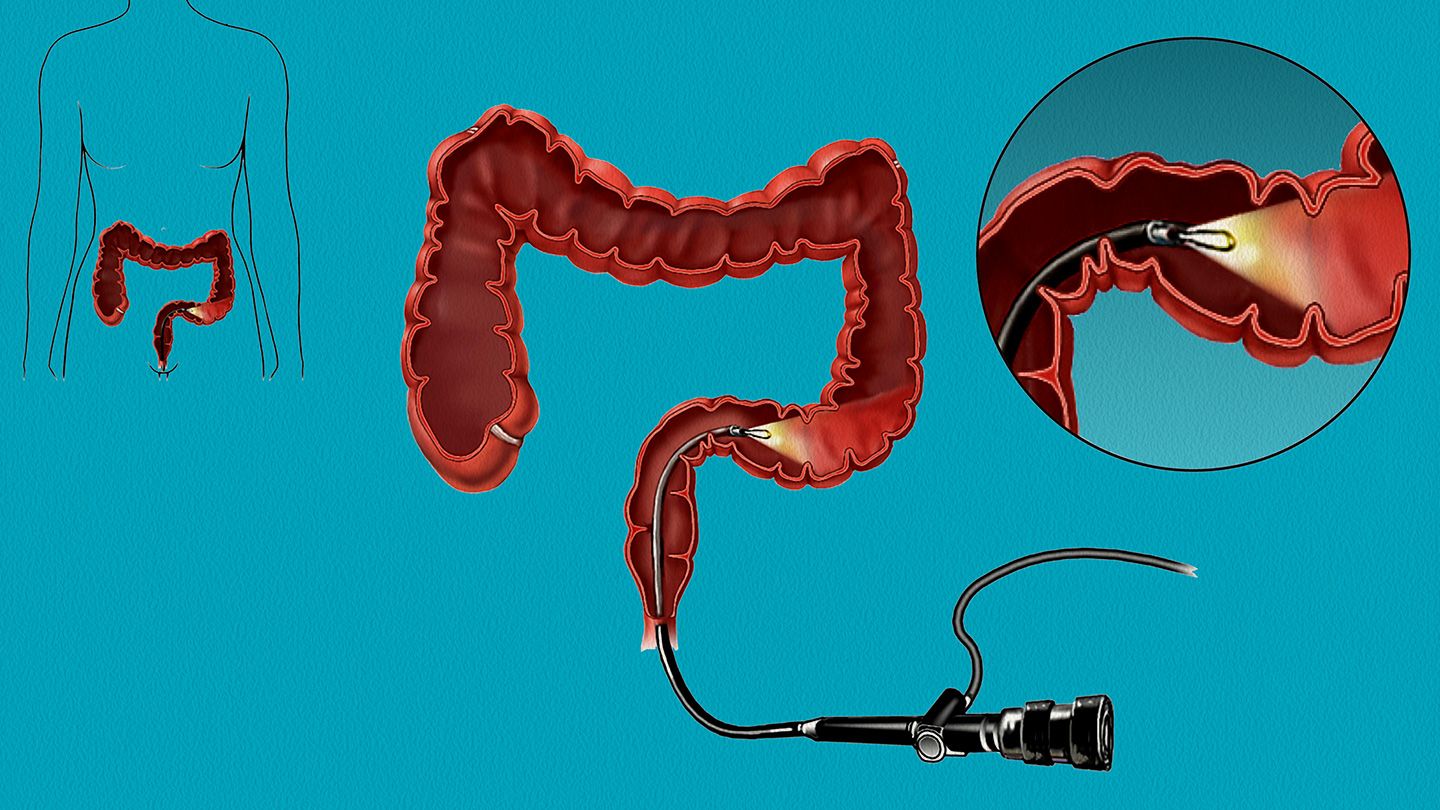
Sigmoidoscopy is a minimally invasive endoscopic procedure used to visualize the inside of the rectum and sigmoid colon. Unlike colonoscopy, which examines the entire colon, sigmoidoscopy focuses only on the lower portion of the large intestine.

Indications for Sigmoidoscopy

  • Screening for colorectal cancer in people over 50 or with risk factors.
  • Evaluation of rectal bleeding or blood in stool.
  • Investigation of chronic constipation or diarrhea.
  • Diagnosis of inflammatory bowel diseases (IBD) such as ulcerative colitis.
  • Checking for polyps, tumors, or diverticulosis.
  • Monitoring treatment progress in patients with intestinal disorders.

Types of Sigmoidoscopy

  • Flexible Sigmoidoscopy
    • Uses a bendable tube with a light and camera.
    • Provides clear images and allows for biopsy or removal of polyps.
  • Rigid Sigmoidoscopy
    • Uses a straight, inflexible tube.
    • Less common and generally used for examining the rectum only.

Preparation for Sigmoidoscopy

  • Dietary restrictions – Patients may be asked to switch to a clear liquid diet 24 hours before the procedure.
  • Bowel cleansing – Laxatives, enemas, or special solutions are prescribed to empty the colon.
  • Medication adjustments – Blood thinners or certain medications may need to be paused.
  • Fasting – Usually, patients should avoid eating or drinking several hours before the test.

The Sigmoidoscopy Procedure

  • The patient lies on their left side with knees drawn toward the chest.
  • A lubricated sigmoidoscope is gently inserted through the anus into the rectum and sigmoid colon.
  • Air or carbon dioxide is introduced to expand the colon for better visibility.
  • The doctor examines the colon lining and may take biopsies or remove small growths.
  • The procedure typically lasts 10–20 minutes and is usually performed without sedation.

Benefits of Sigmoidoscopy

  • Detects early signs of colorectal cancer.
  • Identifies polyps, ulcers, or inflammation.
  • Provides tissue samples for biopsy and diagnosis.
  • Quick, minimally invasive, and requires little recovery time.
  • Can help in preventing cancer by removing polyps before they turn malignant.

Risks and Complications

  • Discomfort, cramping, or bloating during or after the procedure.
  • Minor bleeding at biopsy or polyp removal sites.
  • Rare risk of perforation (tear) in the colon wall.
  • Possible infection, though uncommon.

Recovery After Sigmoidoscopy

  • Most patients return to normal activities immediately after the test.
  • Mild bloating or cramping may occur for a few hours.
  • If sedation is used (rare), rest is recommended for the day.
  • Follow-up appointments may be required if biopsies were taken.

Sigmoidoscopy vs. Colonoscopy

  • Sigmoidoscopy examines only the rectum and sigmoid colon.
  • Colonoscopy examines the entire colon and rectum.
  • Sigmoidoscopy is shorter, less invasive, and requires minimal preparation, but colonoscopy provides a more comprehensive evaluation.

When to Contact a Doctor After the Procedure

  • Severe abdominal pain.
  • Heavy rectal bleeding.
  • Fever or chills, which may indicate infection.
  • Persistent dizziness or weakness.